April 10, 2026
Understanding when a roof replacement is necessary is crucial to maintaining the structural integrity of your home. This article will guide you through the key indicators that suggest it might be time for a new roof. The roof is a fundamental element of any building, providing protection against weather conditions and contributing to energy efficiency. Ignoring the warning signs of a failing roof can lead to extensive damage and more costly repairs in the future. Hence, recognizing these signs early and taking appropriate action can save homeowners significant time and money.
Age of the Roof
Importance of Knowing the Installation Date
Knowing the installation date of your roof allows you to better predict when it may need replacing. This is particularly crucial for homes purchased from previous owners, as the roof's age isn't always apparent. Keeping track of this information ensures you can plan for replacement well in advance, ultimately saving on emergency repairs. It also helps in understanding the wear pattern of the roofing materials used. Being aware of this can prevent being caught off guard by sudden deterioration.
Signs of Aging in Asphalt Shingles
Asphalt shingles show specific signs as they age, such as curling, cracking, or missing granules. These signs indicate that the shingles are nearing the end of their useful life. Homeowners should regularly inspect their roofs for these signs of aging. Proactively replacing shingles can prevent leaks and structural damage. According to RubyHome, leaking roofs are the reason behind 33% of roof replacements in the U.S. every year, highlighting the importance of identifying the aging signs early.
Effects of Weather on Roof Longevity
Weather plays a significant role in the lifespan of a roof. Factors such as excessive sunlight, heavy rain, snow, and storm conditions can accelerate the wear and tear of roofing materials. In regions prone to severe weather events, roofs are especially susceptible to damage and might need replacement sooner than the average timeline. Ensuring that roofing materials are suited to local climate conditions can help extend their lifespan. It's also advisable to have regular inspections after major weather events.
Visible Damage on Roof Surface
Cracked or Missing Shingles
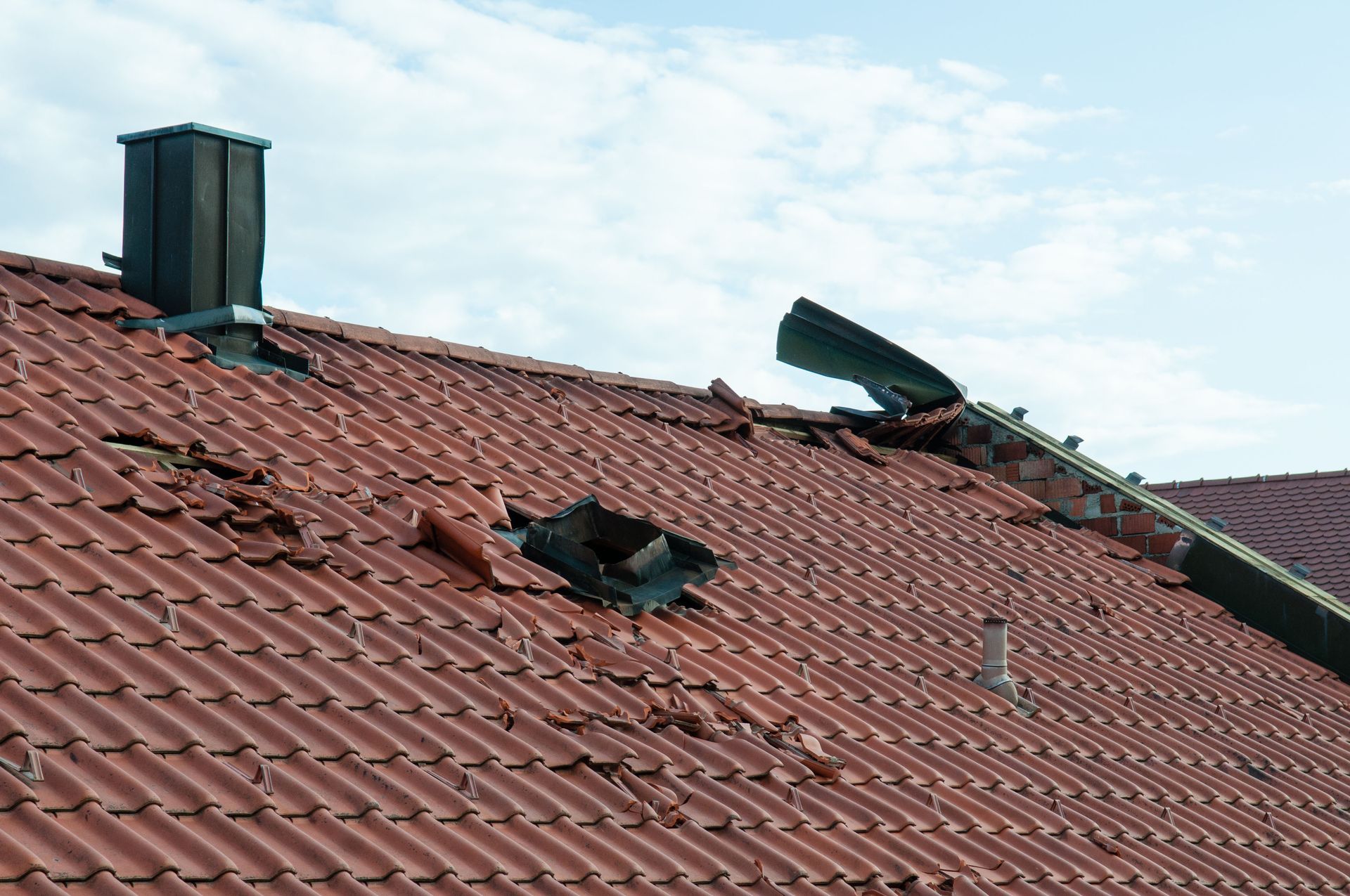
Cracked or missing shingles are a clear indicator that your roof might need replacing. These issues can result from physical stress and weather conditions that weaken the roofing materials over time. If not addressed promptly, they can lead to water infiltration and further structural damage. Regular inspections to spot these signs can prevent more extensive repairs in the future. Quick action on visible damage helps maintain the roof’s overall health.
Growth of Moss and Algae
Moss and algae can grow on roofs, primarily in humid environments or shaded areas. While moss may seem harmless, it retains moisture against the roof surface, which can lead to decay. Algae growth, particularly blue-green varieties, can lead to discoloration that detracts from the roof’s aesthetic appeal. Removing moss and algae periodically is crucial to extending the life of a roof. Professional cleaning services are often recommended to avoid damaging shingles during removal.
Curled or Buckled Shingles
Curled or buckled shingles are another red flag for roof replacement. These issues often occur when shingles absorb moisture or when the roofing material has aged significantly. As shingles curl or buckle, they become less effective at shedding water, leading to potential leaks. This issue can be exacerbated by improper ventilation within the attic, contributing to the warping of the roof deck. Addressing curled or buckled shingles promptly is vital to preventing further damage.
Interior Water Damage
Stains on Ceilings or Walls
Indoor water stains on ceilings or walls are tell-tale signs of a roof issue that requires immediate attention. Such stains often point to leaks sneaking in through the roofing system, sometimes due to shingles, flashing, or underlayment failures. Even if stains seem insignificant, they could be indicative of more severe underlying water damage. Addressing the root cause early can prevent further water infiltration and potential mold growth. Employing professional inspection services can identify the exact source and extent of water entry.
Presence of Mold or Mildew
Mold or mildew inside a home often correlates with excessive moisture levels, commonly linked to a leaky roof. These growths thrive in damp environments and can contribute to health issues ranging from allergies to serious respiratory problems. The presence of mold is a sign that moisture has been consistently entering the home, potentially due to unnoticed roof leaks. Eliminating all traces of mold is crucial, along with addressing the moisture source, to prevent recurrence. Proactively replacing parts of the roof may be necessary to avoid future infestations.
Leaks in the Attic
Leaks in the attic are a direct indication of roof failure or compromise. During heavy rains, water may find its way into the attic, damaging insulation and affecting overall building integrity. To identify leaks, inspect the attic after rainfall and look for damp spots, water marks, or active drips. Timely detection and repair of leaks are crucial in mitigating extensive water damage. In cases of persistent leaks, a roof replacement might be the only viable solution to restore integrity.
Sagging Roof Deck
Causes of Roof Sagging
Sagging in a roof deck can occur due to numerous factors, such as structural inadequacy, prolonged exposure to moisture, or excessive weight from accumulated snow or debris. This condition weakens the roof structure and poses a safety risk to inhabitants. Regular inspection can help identify non-uniform roof surfaces that signal potential sagging. Addressing sagging immediately is essential to prevent collapse and further structural damage. A detailed evaluation by a professional can determine if repair or full replacement is necessary.
Areas More Prone to Sagging
Certain areas of the roof, particularly those with complex designs or additional loads, like chimneys and valleys, are more prone to sagging. In these zones, water can accumulate, leading to weakening over time. It's vital to keep these areas free from debris and ensure that water drains away efficiently. Reinforcing support structures during initial construction can help mitigate sagging risks. Regular assessments by a structural engineer can identify sag-prone areas and recommend preventive measures.
Frequent Roof Repairs
Analyzing Repair Frequency and Costs
Frequent roof repairs indicate underlying issues that temporary fixes may not resolve. Consistent minor repairs can cumulatively exceed the cost of a full roof replacement. Analyzing the frequency and costs associated with these repairs provides insight into the roof's overall health. When repairs become routine, it may be more economical to consider a complete roof replacement. This approach not only resolves current issues but also prevents future problems and potential structural damage.
Signs of Recurrent Issues
Recurring roofing issues, such as persistent leaks or shingle damage, are symptoms of a more significant problem. These signs often mean that previous repairs have addressed only the symptoms, not the root causes. Regular inspections and comprehensive evaluations can identify these underlying problems. Informed decisions regarding overhaul or replacement can then be made to restore the roof's functionality. Continued reliance on repairs can lead to escalating costs and potential interior damage.
Recognizing the signs that you need a roof replacement can save you from costly repairs and maintain a safe living environment. Regular inspections and timely action are key to protecting your home. A well-maintained roof not only enhances home value but also provides peace of mind knowing your household is safe from structural wear. Committing to upkeep and necessary updates fortifies your home against weather and time. Ultimately, proactive measures save time, money, and energy in preserving the fundamental shield of your home—the roof. Schedule a professional roof inspection with Absolute Roofing & Fencing today to catch issues early and protect your home from costly damage.