April 23, 2026
Choosing the right fence material for your property is more than a simple design decision. It influences privacy, security, maintenance needs, and the overall appearance of your home. Many property owners begin exploring fencing options without fully understanding how different materials behave over time, especially under changing weather conditions and daily wear. The right choice of fencing can enhance curb appeal, provide peace of mind, and even increase long-term property satisfaction. However, selecting the wrong material may lead to unnecessary repairs, early replacements, and ongoing frustration.
Because fencing plays such a visible and functional role in a property, it is important to evaluate both practical and aesthetic factors before making a decision. From traditional wood to modern composite materials, each option offers distinct benefits and limitations that should align with your specific goals and environment.
Understanding Your Property Needs For Fencing
Before selecting any material, it is essential to clearly understand what you expect your fencing to accomplish. Some homeowners prioritize privacy, while others focus on security or decorative appeal. In many cases, fencing serves multiple purposes at once, acting as a boundary marker, a protective barrier, and a design feature.
Climate conditions also play a major role in determining what type of fencing will perform best over time. Areas with high humidity or frequent storms may require materials that resist warping, rusting, or rotting. Meanwhile, properties in drier climates may have more flexibility in material selection.
It is also important to consider how much maintenance you are willing to commit to. Some fencing materials require regular staining, sealing, or repairs, while others are designed for minimal upkeep. Understanding your lifestyle and long-term expectations helps narrow down suitable options and ensures your investment remains practical.
Choosing Between Common Fence Materials
When exploring fencing options, most property owners compare a few widely used materials, each with its own strengths.
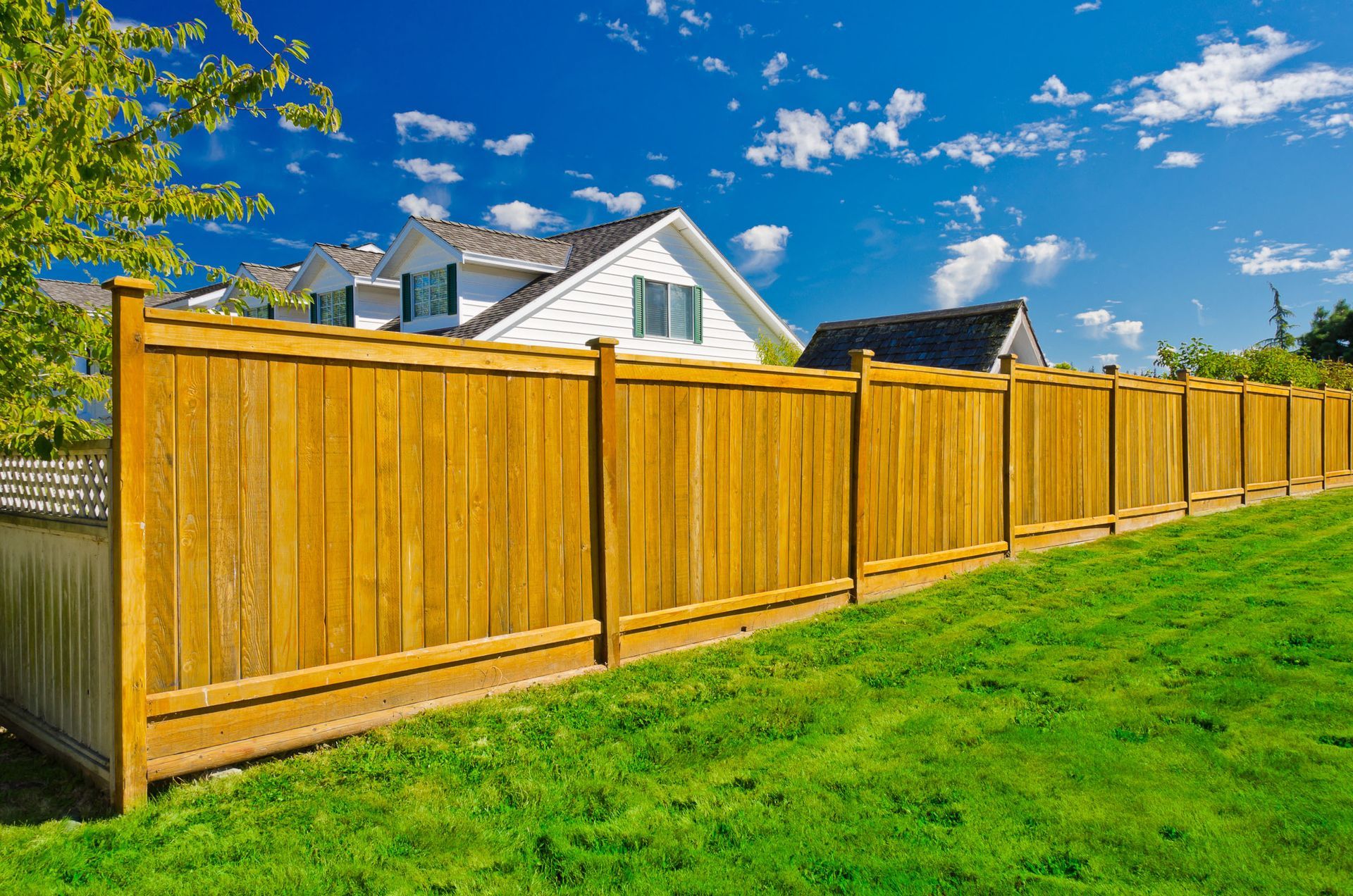
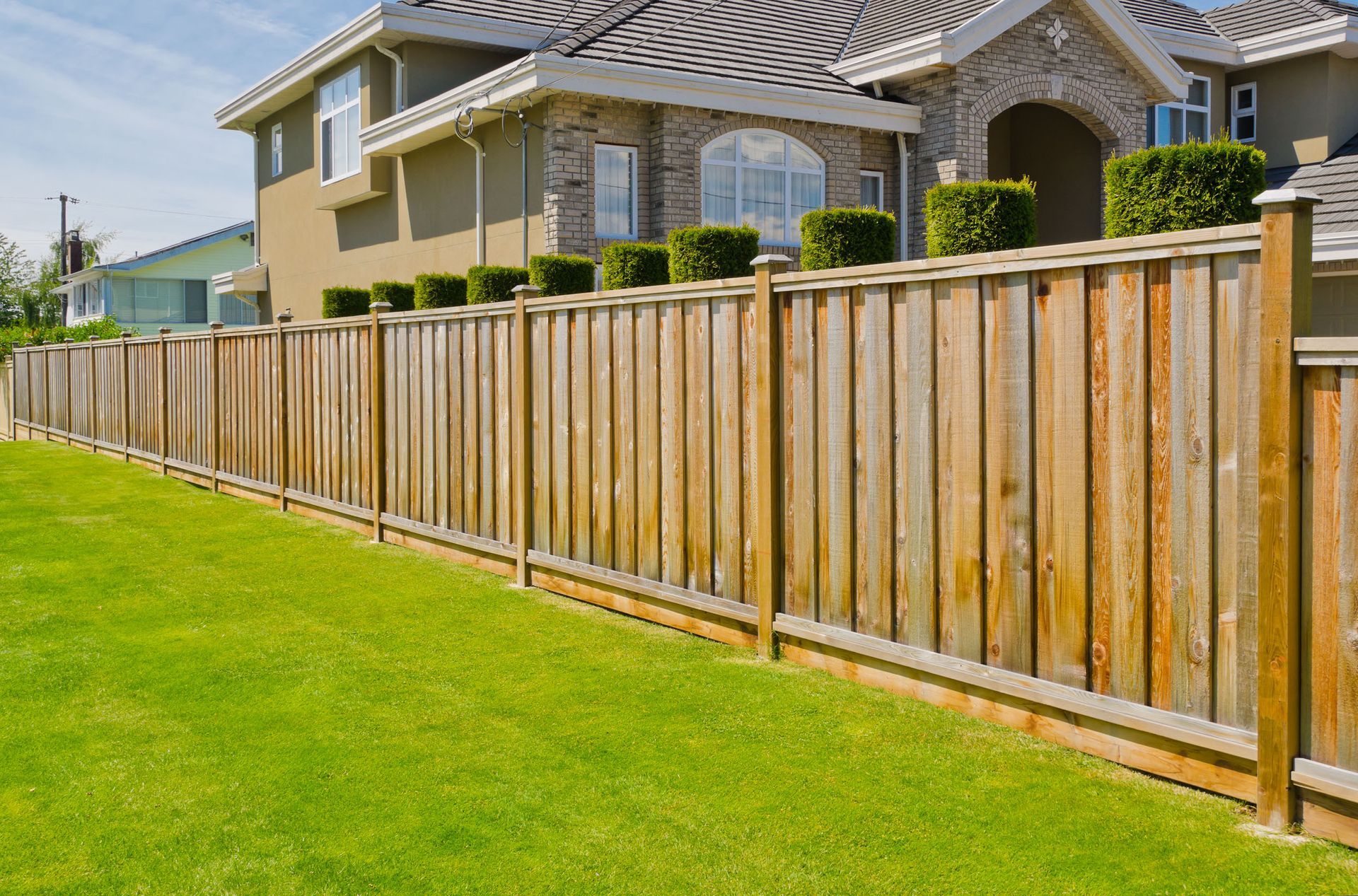
Wood remains one of the most traditional choices due to its natural appearance and versatility. It can be customized in various styles, stains, and heights, making it suitable for both decorative and functional fencing. However, it typically requires ongoing maintenance to protect against moisture damage and pests.
Vinyl has become increasingly popular because of its clean look and low maintenance requirements. According to Bob Vila, vinyl fences can last 20 to 30 years. This durability makes it an appealing option for homeowners seeking long-term reliability without frequent upkeep. Vinyl fencing also resists fading and does not require painting or sealing, which adds to its convenience.
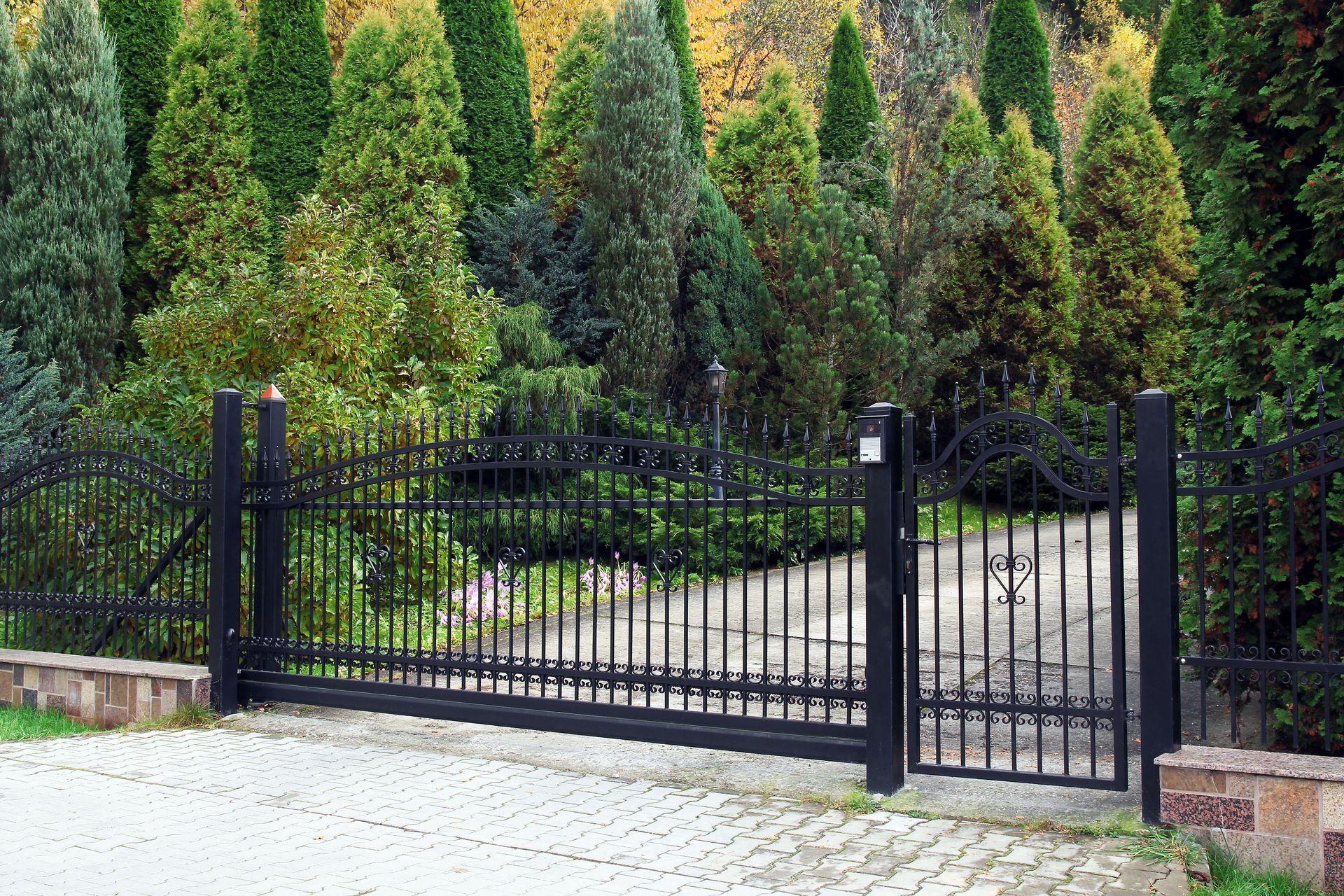
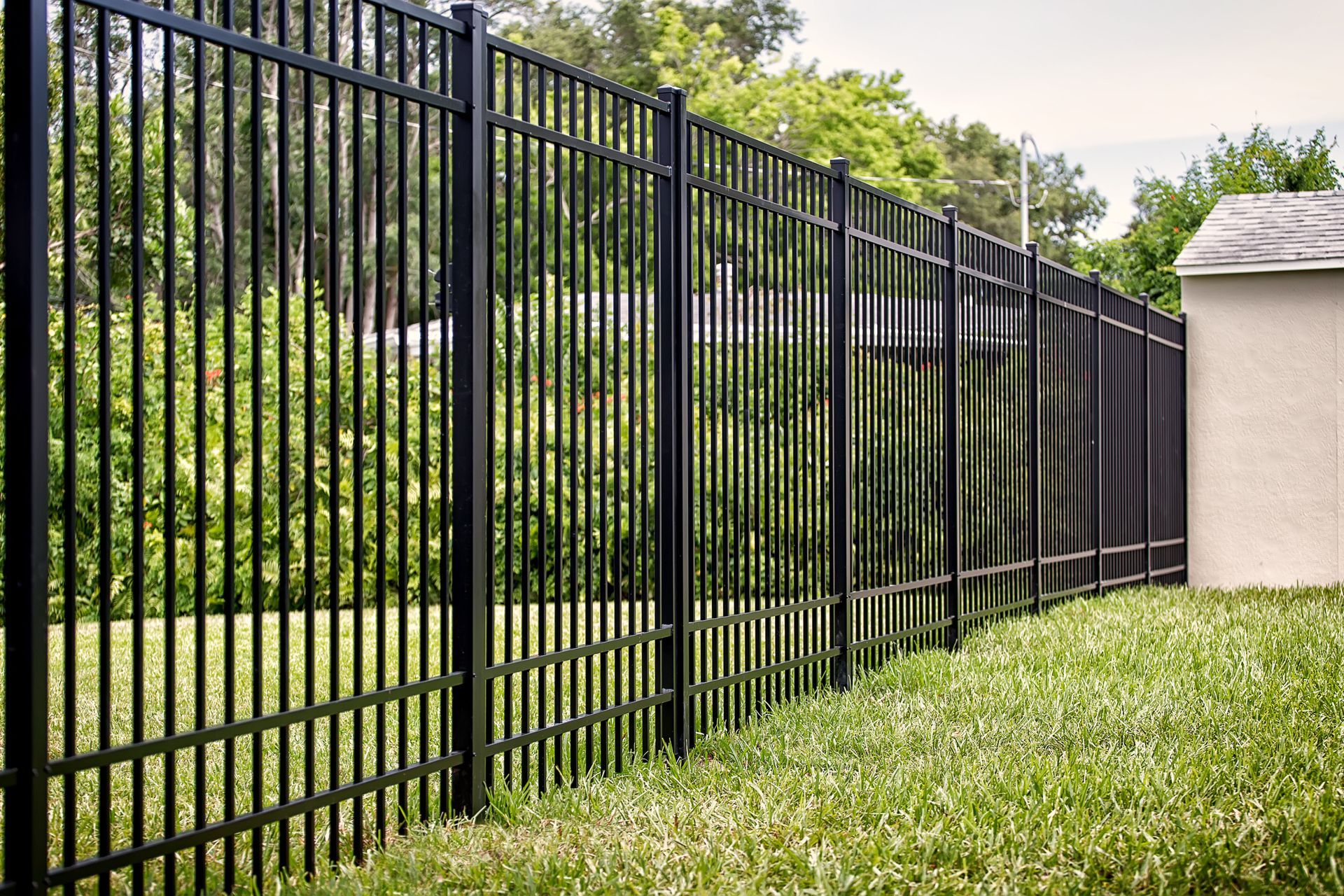
Metal options such as aluminum or wrought iron provide strong security and a more formal appearance. These materials are often chosen for their durability and ability to withstand harsh conditions. While they may not offer complete privacy on their own, they can be combined with landscaping or panels to achieve the desired level of coverage.
Composite materials blend wood fibers and synthetic components to create a durable and visually appealing alternative. They are designed to mimic the appearance of wood while reducing maintenance needs, making them an attractive middle ground for many homeowners exploring fencing solutions.
Each material influences not only appearance but also long-term performance, so careful comparison is essential before making a final decision.
Evaluating Durability And Maintenance Requirements
Durability is one of the most important factors when selecting fencing. A fence is constantly exposed to sunlight, moisture, wind, and physical impact, all of which can gradually affect its condition.
Wood fencing, while attractive, often requires consistent care to prevent deterioration. Without proper treatment, it may warp, crack, or develop mold over time. This makes maintenance a key consideration for homeowners who prefer low-effort solutions.
Vinyl fencing, on the other hand, is known for its resilience and minimal upkeep. It does not require painting or sealing, and it typically maintains its appearance for many years with simple cleaning. This makes it particularly appealing for those who want a long-lasting solution without ongoing maintenance demands.
Metal fencing offers strong resistance to physical damage and can perform well in challenging environments. However, certain metals may require protective coatings to prevent corrosion, especially in humid or coastal areas.
Composite fencing strikes a balance between durability and appearance, offering resistance to many of the issues that affect traditional wood fencing. Its engineered design helps it maintain structural integrity while reducing maintenance needs.
Evaluating how each material handles environmental stress helps ensure that your fencing investment remains functional and visually appealing over time.
Considering Privacy Security And Aesthetic Goals
Fencing is not only a physical boundary but also a reflection of your priorities regarding privacy, security, and style. These three factors often guide material selection more than anything else.
For privacy, solid panel designs are typically preferred. Wood and vinyl fencing are commonly used for this purpose because they can create a continuous barrier that limits visibility into the property. This is especially important for residential areas where outdoor living spaces are frequently used.
Security-focused fencing often leans toward stronger materials such as metal. These options provide durability and resistance to intrusion while maintaining visibility, which can be useful for monitoring surroundings. In some cases, property owners combine materials to achieve both security and privacy.
Aesthetic considerations also play a major role. Fencing contributes significantly to curb appeal and should complement the architectural style of the home. Wood offers a natural, classic look, while vinyl provides a clean and uniform appearance. Metal fencing can add elegance and structure, especially in formal landscapes.
Balancing these priorities ensures that your fencing choice enhances both function and visual harmony across the property.
Comparing Long-Term Value And Installation Factors
Long-term value is an important aspect of any fencing decision. While initial installation costs vary depending on material and design, ongoing maintenance and lifespan significantly influence overall value.
Wood fencing may require more frequent upkeep, which can increase long-term effort and expense. However, its aesthetic appeal often makes it worth considering for homeowners who prioritize natural design.
Vinyl fencing tends to offer strong long-term value due to its durability and minimal maintenance requirements. Its ability to maintain appearance over time reduces the need for repairs or replacements.
Metal fencing provides excellent longevity and structural strength, making it a reliable option for long-term use. Its value often comes from durability and security rather than privacy.
Composite fencing combines aesthetic appeal with reduced maintenance, making it a balanced option for those seeking long-term practicality.
Deciding On The Best Fence Material For Your Home
Choosing the right fencing material ultimately depends on balancing your priorities, environment, and long-term expectations. There is no single solution that works for every property, which is why careful evaluation is essential.
Some homeowners prioritize appearance and choose materials that enhance natural beauty, while others focus on durability and minimal maintenance. Understanding how each option aligns with your goals helps create a more satisfying result.
Fencing is a long-term investment in both function and appearance, so thoughtful decision-making pays off in the years ahead.
The process of selecting fencing involves more than choosing a style or material. It requires careful consideration of durability, maintenance, privacy, security, and overall design goals. By understanding how each material performs under different conditions, property owners can make informed decisions that enhance both function and appearance.
At Absolute Roofing & Fencing, we believe every property deserves fencing solutions that combine strength, style, and lasting performance.