August 26, 2026
The roof is a vital component of any building, providing essential protection from the elements. Understanding how frequently you should check this barrier is key to maintaining structural health. With various materials and climates, homeowners must be proactive in their property management routines. To help you navigate this, we have compiled the essential guidelines you need for optimal maintenance.
Preventing Major Roof Repairs
Regular inspections are the frontline defense in preventing significant structural damage to your home. Catching problems early significantly reduces expenses associated with intensive roof repairs, helping you avoid the need for complete material replacements.
Extending Lifespans With Consistent Checks
A home’s covering is a substantial investment expected to last for many years. With consistent maintenance, you can extend the lifespan of your materials significantly. Prolonging these components means fewer expensive and time-consuming replacements.
Maintaining Safety for Your Household
Routine assessments are crucial for maintaining the safety of your household. Structural integrity can be compromised by unseen damage. By scheduling evaluations, you detect vulnerabilities early, avoiding emergencies that escalate into dangerous situations.
Tackling Minor Issues Early
Minor issues, if left unaddressed, quickly develop into major headaches. Small leaks can worsen, leading to significant damage and costly roof repairs. Identifying and addressing these issues early ensures your property's condition is managed efficiently.
Improving Energy Efficiency With Intact Roofing
An overlooked benefit of regular checks is improved energy efficiency. Damaged areas affect insulation and increase energy costs. By maintaining an undamaged barrier, homeowners experience reduced heating expenses, ensuring your property regulates temperatures properly.
Analyzing Climate and Weather Patterns
Evaluation frequency varies significantly based on local weather patterns. Regions exposed to harsh weather demand more frequent check-ups. Being proactive in maintaining your structure according to climate conditions helps mitigate cumulative, weather-related damage.
Considering the Age of the Structure
Your property's age is a critical factor in determining inspection frequency. Older installations require more attention due to natural material degradation. Homes with installations older than nine years should undergo evaluations more frequently.
Knowing the Type of Roofing Material
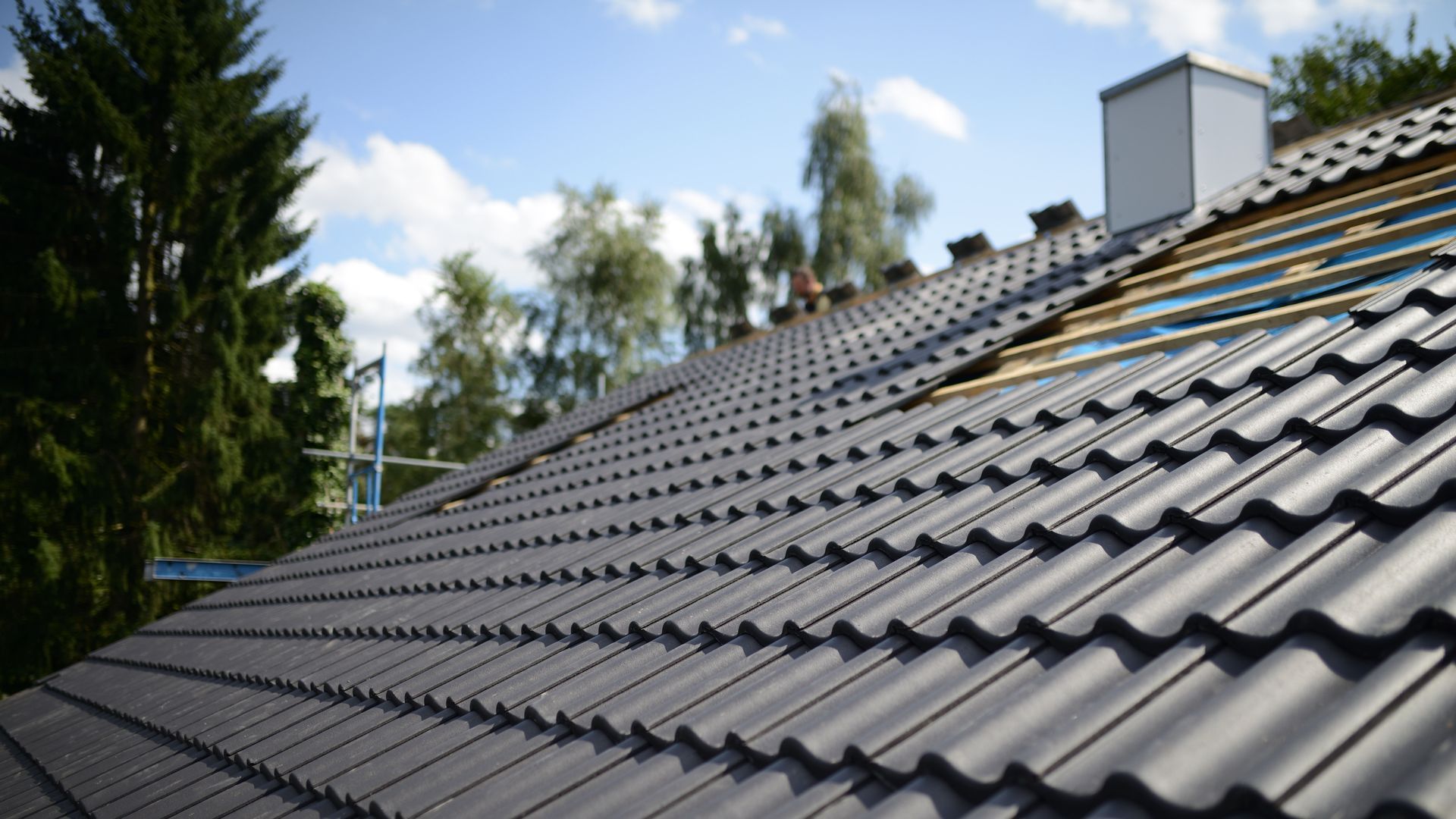
The material used in construction influences how often it needs checking. Each material reacts differently to environmental conditions. Understanding the specific maintenance needs of your roofing material helps tailor an appropriate and effective schedule.
Assessing the Surrounding Environment
The area surrounding your home impacts how often you should check your property. Homes near tall trees experience more debris accumulation. This increases the need for regular cleaning to prevent damage from trapped moisture.
Reviewing Previous Maintenance Records
Keeping detailed maintenance records is invaluable for determining schedules. Previous issues offer insights into potential weak points requiring closer monitoring to avoid major roof repairs. A well-documented history streamlines all future assessments and interventions.
Conducting Spring Inspections
Spring is an ideal time for thorough evaluations following winter. Checking for damage caused by snow and freezing temperatures is crucial. A thorough spring check ensures any winter-inflicted damage is addressed before warmer seasons.
Performing Summer Inspections
Summer evaluations are important in regions with extreme heat. High temperatures cause materials to expand, creating stress on tiles. Regular checks during this period prevent heat-related issues and UV damage from going unnoticed.
Executing Fall Inspections
Fall evaluations prepare your structure for the upcoming winter. Fallen leaves must be cleared to prevent moisture buildup. Conducting checks in fall is a proactive strategy to verify your property is sealed against impending cold.
Managing Winter Inspections
Winter guidelines focus on identifying weather-induced damage sustained during colder months, such as ice dams. Regular evaluations help identify leaks resulting from temperature fluctuations, preventing cumulative damage that escalates into much larger issues.
Engaging Professional Inspections Annually
Despite self-conducted checks, hiring professional inspectors annually is highly recommended. Professional assessments are more thorough, identifying challenges that elude an untrained eye. An annual check fortifies your diligence in maintaining structural health and overall safety.
Gathering Necessary Tools for the Inspection
Self-conducted checks start with assembling appropriate tools for safety and efficiency. These include a sturdy ladder, safety harness, and flashlight. Safety equipment is paramount to prevent accidents while accomplishing a comprehensive evaluation of damage.
Inspecting Shingles and Tiles
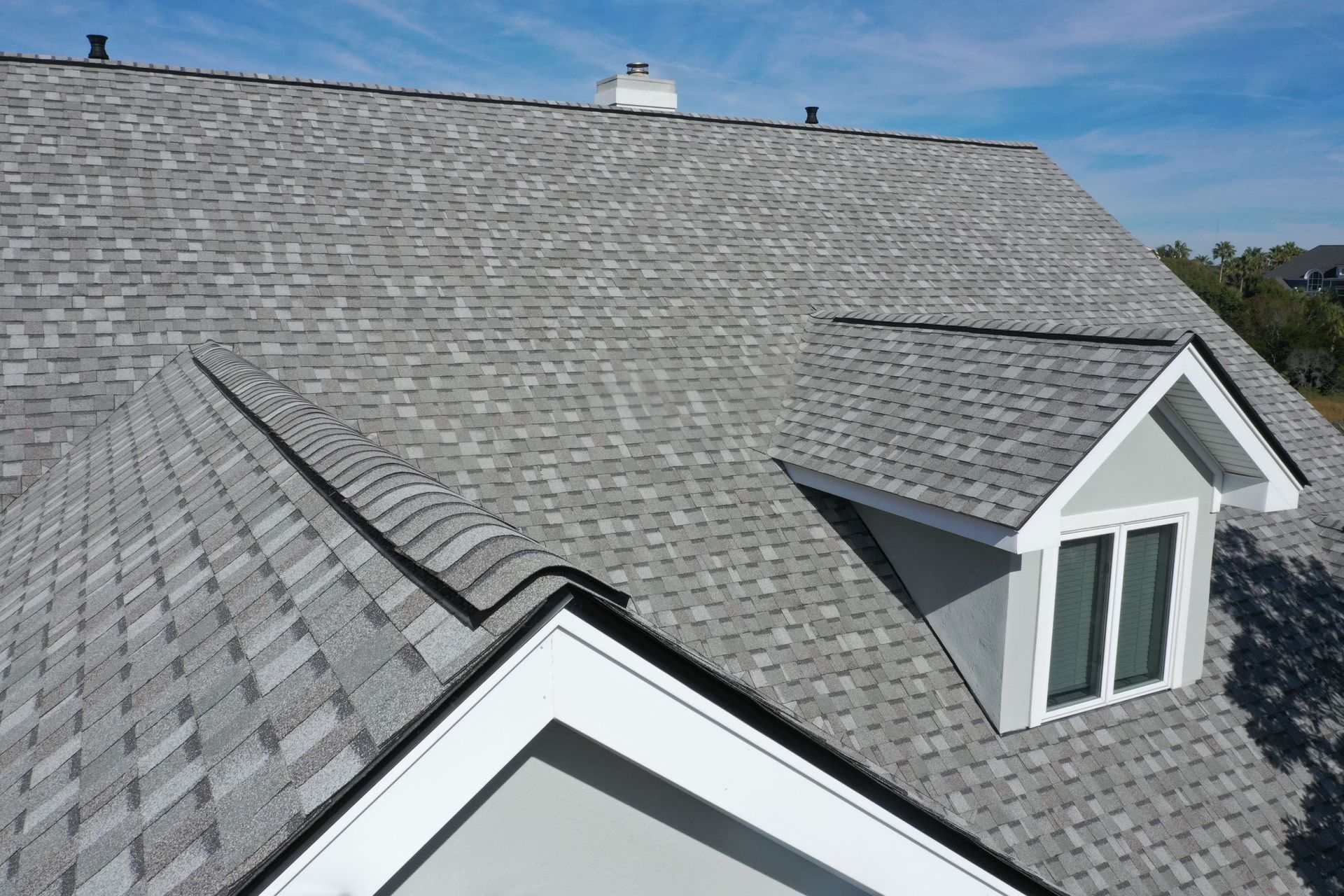
Careful assessment of shingles is crucial during any routine evaluation. Look for missing or cracked tiles, which indicate wear requiring immediate roof repairs. Examining these elements closely reveals underlying problems before they become serious.
Checking Gutters and Downspouts
Checking gutters is an essential step during a personal inspection. Clear debris obstructing proper water drainage to prevent pooling around the foundation. Regular checks prevent clogs that may result in extensive water damage over time.
Examining Flashing and Seals
Flashing and seals play a crucial role in preventing water intrusion. Examine these areas for signs of rust or loose installations causing leaks. Keeping these elements in good condition protects your home's interior effectively.
Documenting and Reporting Findings
Documenting findings is a fundamental aspect of any thorough property check. Maintaining clear records assists in tracking conditions over time. Adequate reporting forms the basis for strategic maintenance planning and optimizes long-term care routines.
Recognizing Complex Roofing Issues
While personal checks are valuable, complex issues require professional attention. Structural anomalies necessitate expert knowledge and advanced equipment to recommend proper roof repairs. Relying on professional judgment ensures accuracy in dealing with severe structural issues.
Understanding Warranty Requirements
Professional evaluations can be essential for fulfilling warranty obligations. Many warranties require regular checks by certified inspectors to remain valid. Utilizing professional services ensures compliance with stipulations, preventing you from being exposed to repair costs.
Ensuring Safety and Thoroughness
Hiring professionals ensures both safety and thoroughness. Their expertise in navigating hazards like steep slopes reduces injury risks. Experts are equipped with tools that facilitate a detailed examination, highlighting areas of concern for timely interventions.
Dealing With Extensive Damage
Extensive damage requires the immediate intervention of experienced professionals. This involves performing significant roof repairs requiring technical skills beyond basic homeowner capabilities. Hiring experts for substantial damage is crucial for maintaining long-term property integrity.
Conducting Post-Storm Assessments
After severe weather events, homeowners should have professional assessments conducted. Storms cause extensive, obscure damage needing expert evaluation. Having professionals conduct these assessments ensures storm-induced issues are promptly identified, providing peace of mind and security.
Estimating Average Costs of Professional Inspections
Professional evaluations vary in cost based on size and complexity. According to RubyHome.com, roughly five million new roofs are placed onto homes annually. Allocating funds for routine evaluations reduces overall expenses.
Weighing Costs Against Potential Savings
When budgeting, consider potential savings from preventative measures. Identifying minor issues early prevents them from evolving into costly tasks like major
roof repairs. Owners preserving their properties with frequent evaluations ultimately benefit financially over time.
Budgeting for Regular Maintenance
Establishing a budget for regular maintenance is a wise strategy. With predictable costs, you ensure your structure remains in optimal condition without financial strain. Mindful budgeting aligns perfectly with proactive care measures benefiting your property.
Navigating Insurance and Inspection Funding
Insurance policies may influence inspection funding by offering financial assistance. Some policies require proof of regular evaluations for claims related to severe damage. Opting for checks matching insurance conditions aids in protecting against unforeseen circumstances.
Securing Long-Term Financial Benefits
Investing in regular checks culminates in financial benefits surpassing initial outlays. Proactive evaluation strategies prolong the structure's lifespan, deferring replacement costs. Minimizing the likelihood of severe damage reduces repair expenditure, yielding great savings over time.
Regular evaluations serve as a proactive approach to maintaining the health and longevity of your home's exterior. Incorporating both personal checks and professional assessments provides comprehensive care, saving time and money. Ensuring that your property remains well-maintained is essential for the efficiency of your building. If you need reliable roofing and fencing services, we at Absolute Roofing & Fencing are ready to assist. We provide excellent care, so contact us today to ensure your property remains in top condition for years to come!